





Introduction
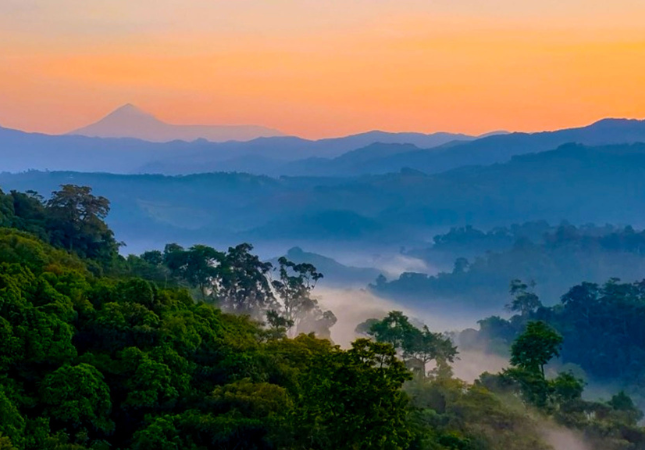
Hidden in the misty hills of Western Rwanda, where emerald forests meet rolling tea plantations, lies Gishwati-Mukura National Park—a remarkable conservation success story and Rwanda’s newest national treasure. This park is not just a destination; it’s an emotional journey into nature’s quiet resilience, where every bird call and rustling leaf tells a story of renewal.
Created to protect what was once a severely degraded forest, Gishwati-Mukura now stands as a symbol of eco-tourism in Rwanda. For travelers seeking serenity, biodiversity, and sustainable adventure, this park offers a truly off-the-beaten-path experience. Whether you’re drawn by bird watching in Rwanda, forest hikes, or authentic community encounters, Gishwati-Mukura promises an adventure both meaningful and memorable.
A Forest Reborn: The Story of Gishwati-Mukura National Park
Situated between Rubavu and Ngororero districts, Gishwati-Mukura National Park is Rwanda’s fourth national park and one of the smallest in the country—but its ecological importance is immense. Established in 2015 and officially opened to visitors in 2019, it combines two ancient rainforests—Gishwati Forest and Mukura Forest—connected by a green corridor that helps wildlife move safely between them.
Covering about 34 square kilometers, this park protects rare primates, endemic bird species, and over 60 species of trees, including hardwoods and bamboo. It’s also home to one of Rwanda’s most inspiring conservation programs. After decades of deforestation, local communities and park authorities joined hands to restore the land, replant trees, and protect watersheds.
Today, Gishwati-Mukura has transformed into a thriving ecosystem where nature and people coexist harmoniously—a true testament to Rwanda’s commitment to sustainable development and conservation.
Top Things to Do in Gishwati-Mukura National Park
1. Guided Forest Walks on the Gishwati Forest Trail
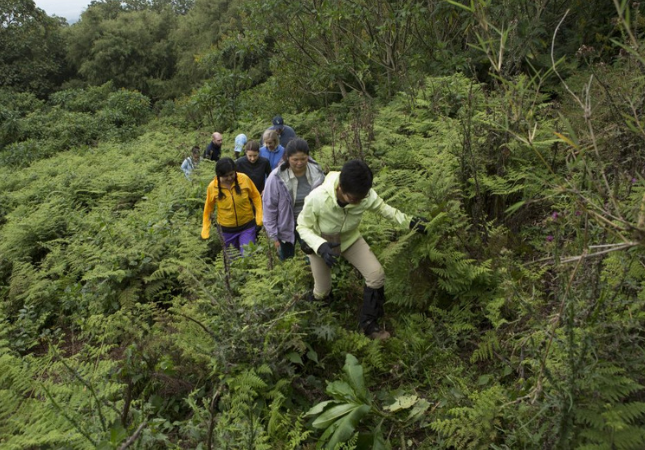
Embark on a guided trek through lush canopies alive with birdsong. The Gishwati forest trail offers several routes ranging from gentle strolls to more challenging hikes. As you move under towering trees, you might spot golden monkeys, L’Hoest’s monkeys, or even chimpanzees swinging between branches. The forest floor bursts with vibrant ferns, wild mushrooms, and medicinal plants used by local healers.
2. Bird Watching in Rwanda’s Hidden Paradise
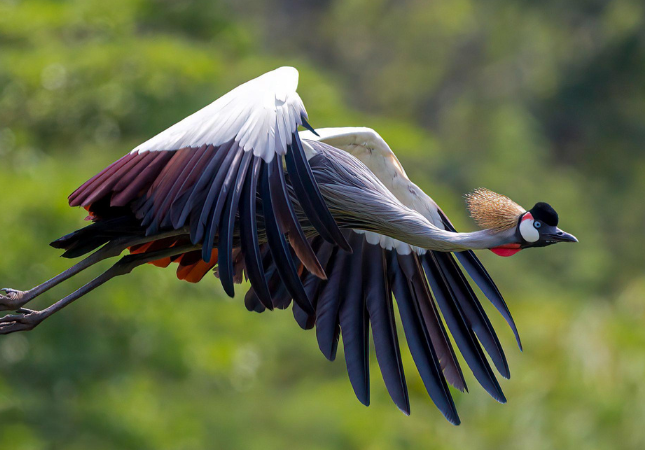
With over 230 bird species, including 20 Albertine Rift endemics, Gishwati-Mukura is a dream for bird watching in Rwanda. Look out for the Ruwenzori turaco, grauer’s swamp warbler, and stripe-breasted tit—rare finds even for seasoned birders. Morning is the best time for this experience, when the forest hums with melodies of colorful feathered residents.
3. Visit Mukura Hills
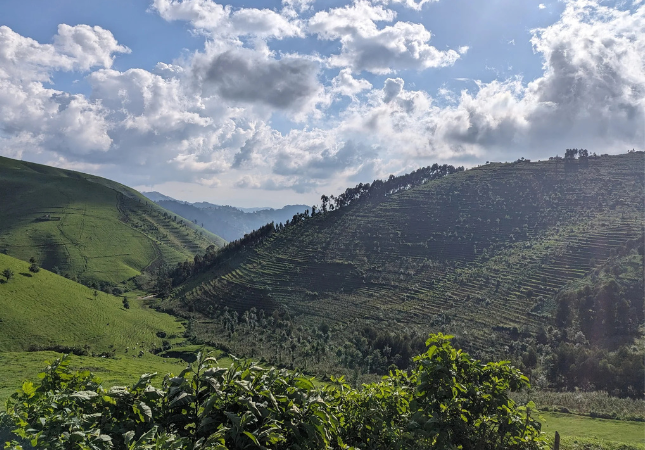
For panoramic views and a sense of serenity, head toward the Mukura hills, where the forest transitions into misty slopes and grassy clearings. It’s a fantastic spot for photography, picnics, or simply soaking in the vast green horizon that stretches toward Lake Kivu.
4. Community and Cultural Encounters
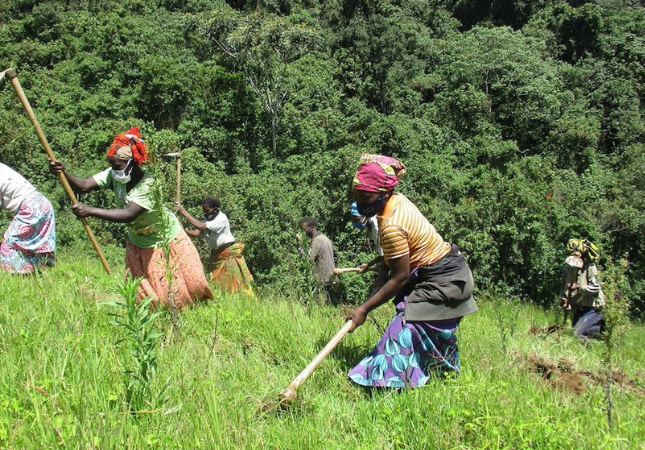
Eco-tourism in Rwanda isn’t just about wildlife—it’s about people too. Near the park, you can visit local cooperatives producing honey, crafts, and herbal teas. The communities around Gishwati-Mukura are deeply involved in conservation, and guided cultural visits offer a chance to learn about traditional Rwandan life, music, and farming.
5. Tea Plantation Tours
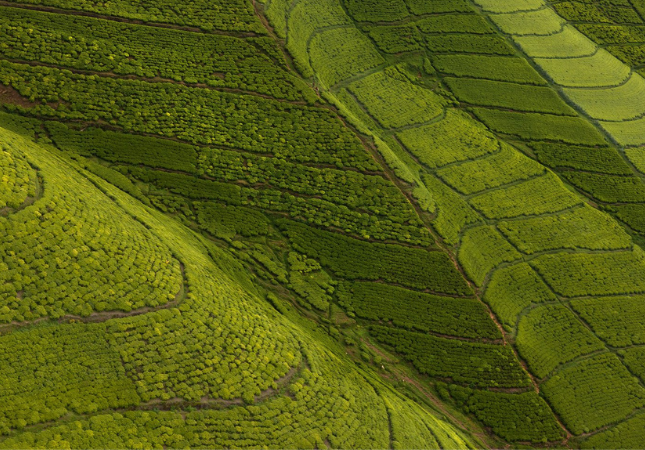
The rolling hills around the park are carpeted with tea fields. Take a walk through the plantations, meet local pickers, and taste freshly brewed Rwandan tea—a sensory journey through aroma and flavor.
Travel Tips for Visiting Gishwati-Mukura
Best Time to Visit
The park is open year-round, but the dry seasons (June–September and December–February) offer the best conditions for hiking and photography. The trails are less slippery, and wildlife is easier to spot.
How to Get There
Gishwati-Mukura lies about 2.5 hours from Kigali by road. You can drive via Rubavu or Ngororero, both scenic routes with views of hills and villages. If you’re planning a Western Rwanda eco tour, consider combining your trip with visits to Lake Kivu or Nyungwe Forest National Park.
Park Access & Permits
All visits must be arranged with a licensed tour operator or through the Rwanda Development Board (RDB). Entrance fees contribute directly to conservation and local community projects.
What to Pack
- Light hiking shoes with good grip
- Rain jacket and layered clothing
- Binoculars and camera for bird watching
- Reusable water bottle and insect repellent
Local Insight
Hire a local guide—many come from the surrounding communities and share fascinating stories about the park’s rebirth and wildlife. They’ll also help you spot elusive species you might miss on your own.
Cultural Flavors & Local Experiences
Beyond the forest, Gishwati-Mukura’s surrounding villages offer a glimpse into Rwanda’s rural charm. The people here welcome visitors with warm smiles and traditional songs echoing across the hills.
Try local delicacies like isombe (cassava leaves with peanut sauce) or brochettes (grilled meat skewers), often served with a glass of cold banana beer or freshly brewed tea. Visiting during community festivals, you may witness traditional Intore dance performances—a vibrant celebration of strength, pride, and culture.
Engaging with locals isn’t just enriching—it helps sustain livelihoods and promotes responsible tourism that benefits everyone.
Where to Stay Near Gishwati-Mukura
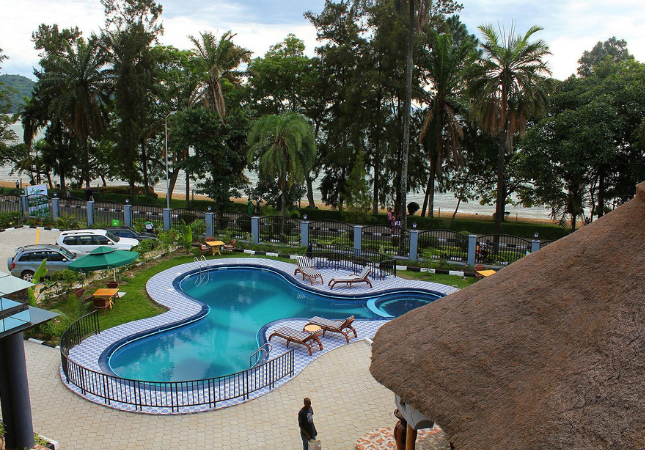
While accommodation options inside the park are limited, nearby towns like Rubavu and Ngororero offer cozy eco-lodges and guesthouses. Some recommended stays include:
- Gishwati Lodge – A luxury eco-lodge set on a ridge overlooking the forest. Perfect for travelers seeking comfort and sustainability.
- Lake Kivu Serena Hotel (Rubavu) – Ideal for those combining forest adventure with lakeside relaxation.
- Local Homestays – Stay with local families to experience authentic Rwandan hospitality.
For an immersive itinerary, you can combine Gishwati-Mukura with Nyungwe Forest’s canopy walk or Volcanoes National Park’s gorilla trekking for a complete eco-tourism circuit through Western Rwanda.
Conclusion
Gishwati-Mukura National Park may be Rwanda’s youngest, but it carries one of the country’s most powerful stories—a story of hope, healing, and harmony between people and nature. Every visit supports conservation, community empowerment, and the continued restoration of this once-lost forest.
If you’re ready to experience the wild heart of Western Rwanda, pack your hiking boots and spirit of wonder—Gishwati-Mukura is waiting to inspire you.
Read next: [Explore Nyungwe Forest: Canopy Walks, Chimpanzees & Waterfalls]
Traveler FAQs about Gishwati-Mukura National Park
1. Is Gishwati-Mukura National Park safe to visit?
Yes, it’s very safe. The park is well-managed by the Rwanda Development Board and local guides ensure a secure and enjoyable experience.
2. Can I see chimpanzees in Gishwati-Mukura?
Yes, although sightings are not guaranteed, small groups of chimpanzees inhabit the forest and are occasionally seen on guided hikes.
3. What makes Gishwati-Mukura different from Nyungwe Forest?
Gishwati-Mukura is smaller and less visited, offering a more intimate and off-the-beaten-path experience for eco-tourists and bird watchers.
4. How can I support conservation efforts?
By visiting the park, booking local guides, and purchasing community-made crafts or honey products.
5. Can Gishwati-Mukura be visited in one day?
Yes, it’s possible as a day trip from Rubavu or Kigali, but staying overnight nearby allows for a more relaxed and immersive experience.
Internal Linking Suggestions:
- [Akagera Safari: Rwanda’s Wild Savannah Adventure]
- [Explore Nyungwe Forest: Canopy Walks, Chimpanzees & Waterfalls]
- [Karongi (Kibuye): Lake Kivu’s Peaceful Lakeside Escape]
- [Nyanza: Discover Rwanda’s Royal Palace & Cultural Roots]
- [Ultimate Guide to Kigali: The Heartbeat of Modern Rwanda]