






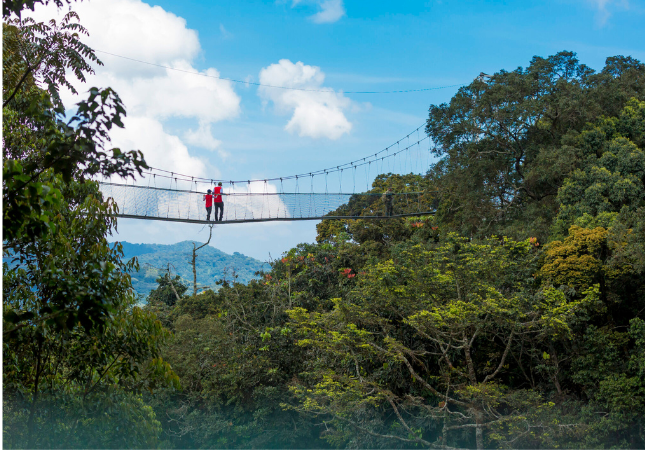
Hidden in the misty highlands of southern Rwanda lies one of Africa’s most enchanting natural treasures—Nyungwe Forest National Park. Stretching over 1,000 square kilometers, this ancient rainforest is a sanctuary for biodiversity and a paradise for adventurers seeking connection with nature.
Here, you’ll walk above the treetops on Africa’s longest canopy walk, follow the echoing calls of wild chimpanzees, and chase waterfalls hidden deep within emerald valleys. Nyungwe’s allure isn’t just in its landscapes—it’s in the feeling of stillness, discovery, and awe that every visitor carries long after they leave.
Whether you’re a first-time visitor or a local traveler rediscovering Rwanda’s wonders, Nyungwe invites you to slow down, breathe deeply, and reconnect with the wild heart of Africa.
Discovering Nyungwe Forest: Rwanda’s Timeless Rainforest
Located in southern Rwanda, about 5–6 hours from Kigali, Nyungwe Forest National Park is one of the oldest rainforests in Africa—estimated to have existed for over 10,000 years. It forms part of the Albertine Rift region, a biodiversity hotspot teeming with life.
Nyungwe is home to over 13 species of primates, including chimpanzees and L’Hoest’s monkeys, as well as over 300 bird species and 1,000 plant varieties. Its cool mountain climate, fresh misty air, and endless green canopy make it one of the most scenic destinations in southern Rwanda tourism.
But beyond its natural beauty, Nyungwe plays a vital role in Rwanda’s ecosystem. It’s the source of several rivers—including tributaries that feed the Nile and Congo. Walking through its ancient trails, you’ll feel like stepping into another world—one where nature still reigns supreme.
Top Things to Do in Nyungwe Forest
1. Chimpanzee Trekking in Rwanda
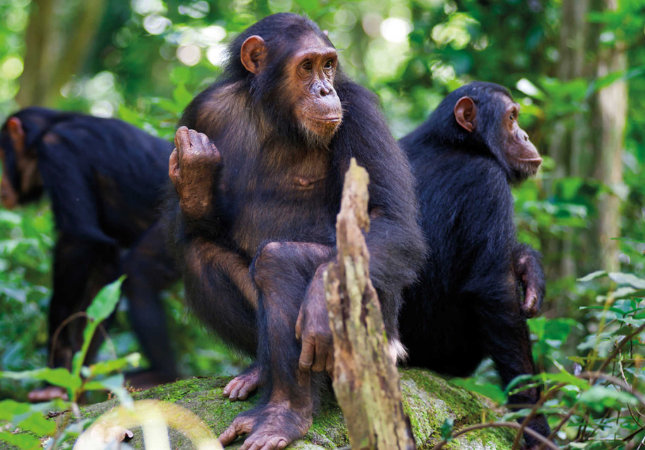
One of the most thrilling adventures in Nyungwe is chimpanzee trekking. Early each morning, small groups of travelers set off with expert guides to track these intelligent primates. Hearing their whoops and shrieks echo through the forest canopy is an unforgettable moment.
Two main trekking zones—Uwinka and Cyamudongo—offer opportunities to see chimpanzees up close as they swing through the trees, groom one another, or feed on wild figs. Remember to bring a camera and good hiking shoes—trails can get muddy, but the reward is priceless.
Insider Tip: Book your chimpanzee trekking permit in advance (through Rwanda Development Board or licensed tour operators) and start early to maximize your chances of sightings.
2. Walk the Nyungwe Canopy Walk
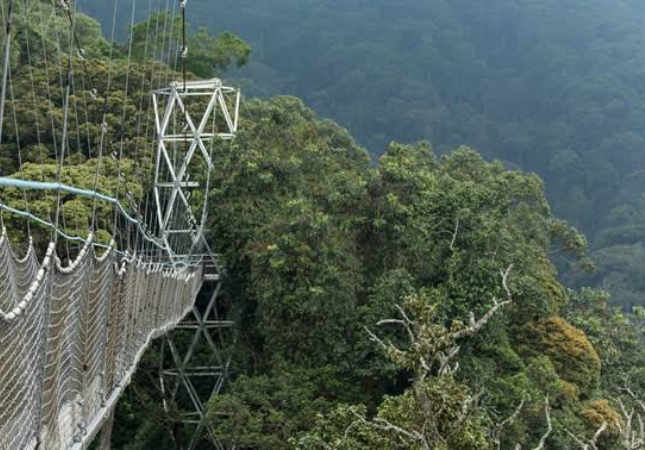
No trip to Nyungwe is complete without experiencing the canopy walk Rwanda is famous for. Suspended 60 meters above the forest floor and stretching 160 meters long, this steel bridge offers jaw-dropping views of the forest from above.
As you step onto the swaying bridge, you’ll feel both a rush of adrenaline and awe. Birds dart through the mist, the forest hums with life, and sunlight filters through layers of green. It’s an experience that blends adventure with serenity—perfect for thrill-seekers and photographers alike.
Tip: The canopy walk is part of the Igishigishigi Trail, an easy-to-moderate hike accessible from the Uwinka Visitor Center.
3. Hike to Nyungwe’s Waterfalls
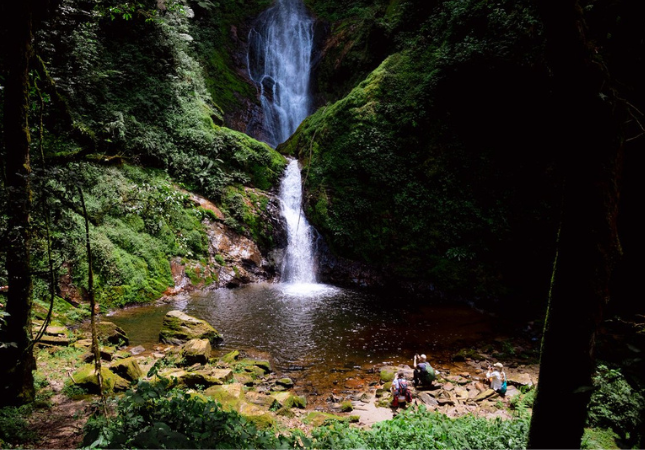
Hidden within the lush forest are several breathtaking waterfalls. The most popular, Isumo Waterfall, tumbles 17 meters into a misty gorge surrounded by ferns and orchids.
The Isumo Trail winds through tea plantations near Gisakura and then descends into the forest, offering scenic views and a refreshing breeze from the falls. Along the way, you’ll likely spot monkeys, butterflies, and countless bird species.
4. Explore the Gisakura Tea Estate
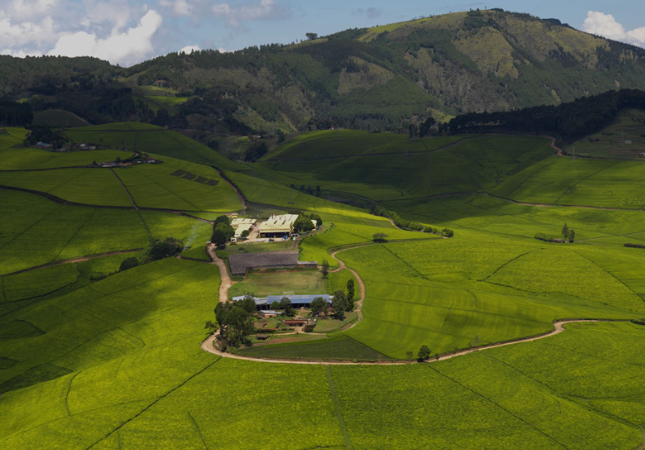
Just outside the park lies the Gisakura Tea Estate, one of Rwanda’s most picturesque landscapes. Rolling hills of bright-green tea stretch as far as the eye can see, with workers in colorful attire carefully plucking leaves.
You can take a guided tour to learn how tea is harvested and processed—or simply enjoy the peaceful scenery. A cup of freshly brewed Gisakura tea is the perfect post-hike treat.
5. Birdwatching & Nature Trails
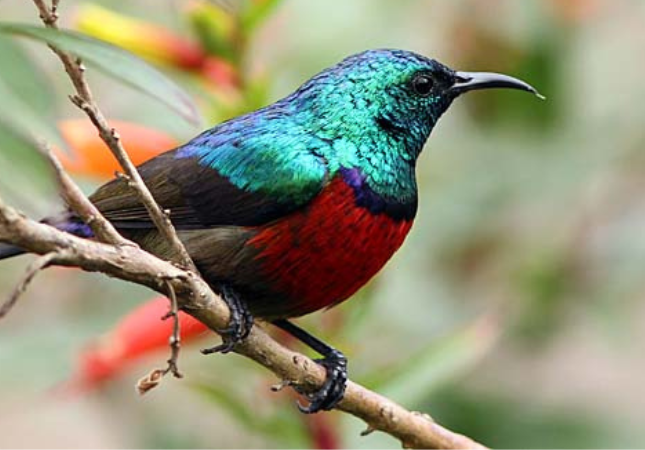
For bird lovers, Nyungwe is a dream come true. It’s home to rare species like the Ruwenzori Turaco, Great Blue Turaco, and Albertine Rift endemics.
The park offers over a dozen hiking trails, from short strolls to full-day treks—each revealing a different side of the forest. Whether you explore the Kamiranzovu Swamp Trail or the Ngabwe Trail, every path brings you closer to nature’s heart.
Travel Tips for Visiting Nyungwe Forest
Best Time to Visit
Nyungwe Forest is open year-round, but the best time to visit is during the dry seasons—from June to September and December to February. Trails are easier to navigate, and wildlife sightings are more common.
If you prefer fewer crowds and lush scenery, the rainy season offers its own charm—just bring waterproof gear.
How to Get There
- By Road: Nyungwe is about 225 km from Kigali, a scenic 5–6-hour drive through rolling hills, villages, and the shores of Lake Kivu.
- By Air: Akagera Aviation offers chartered helicopter flights from Kigali to Gisakura—perfect for luxury travelers.
You can also combine your trip with stops in Huye (Butare) to visit the Ethnographic Museum or Kibuye on Lake Kivu’s shores.
Local Insights
- Wear sturdy hiking boots and long pants to protect against mud and insects.
- Carry rain gear—it can rain anytime.
- Bring binoculars for birdwatching and wildlife spotting.
- Always trek with an authorized guide for safety and the best experience.
Beyond the Forest: Culture, Cuisine & Local Experiences
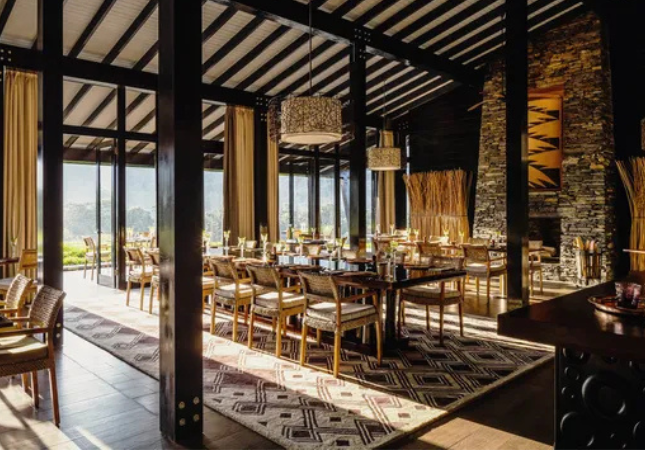
Nyungwe isn’t just about wildlife—it’s also about connecting with local communities. Nearby villages offer cultural tours where you can experience traditional Rwandan music, basket weaving, and local cuisine.
After a day of trekking, indulge in Rwandan dishes like isombe (cassava leaves with groundnuts), brochettes (grilled meat skewers), or a hearty bowl of ibishyimbo (beans). Pair it with locally grown tea or Rwandan coffee—both world-renowned for their flavor.
In Gisakura and Kitabi, you’ll find friendly locals eager to share stories about life near the forest, giving you a deeper appreciation for Rwanda’s harmony between people and nature.
Where to Stay: Best Nyungwe Lodges & Retreats
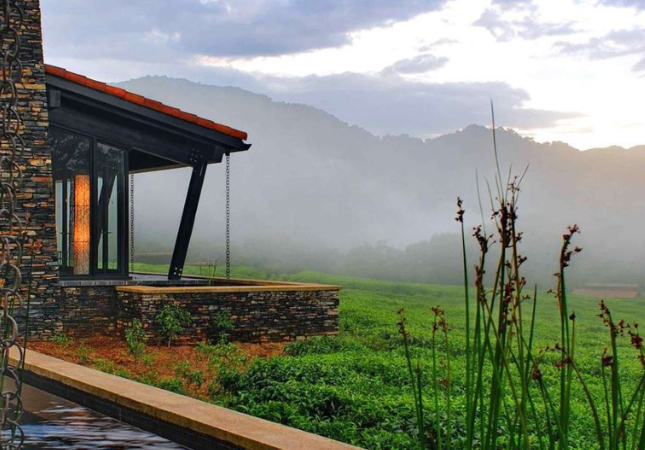
There’s a range of Nyungwe lodges catering to every traveler:
- One&Only Nyungwe House: A luxury retreat nestled among tea plantations, offering guided nature walks, gourmet dining, and spa treatments.
- Gisakura Guest House: A budget-friendly option close to the park headquarters—comfortable, clean, and convenient.
- Nyungwe Top View Hill Hotel: Perched on a hill with sweeping forest views—ideal for mid-range travelers.
Each lodge provides easy access to the park’s main attractions, ensuring you can start your canopy walk or chimpanzee trek right after breakfast.
Conclusion: Step Into the Heart of Rwanda’s Wilderness
Nyungwe Forest is more than a destination—it’s a journey into Rwanda’s soul. From the thrilling canopy walk Rwanda is famed for to the emotional connection of chimpanzee trekking, every moment here awakens your sense of wonder.
Whether you’re sipping tea at Gisakura, hiking to a hidden waterfall, or simply standing in silence beneath ancient trees, Nyungwe reminds you how powerful and peaceful nature can be.
Ready to explore more of Rwanda’s natural wonders?
Read next: [Gorilla Trekking in Volcanoes National Park: The Complete 2025 Guide]
Frequently Asked Questions About Nyungwe Forest
1. Do I need a permit for chimpanzee trekking in Nyungwe?
Yes. Chimpanzee trekking permits can be obtained through the Rwanda Development Board (RDB) or licensed tour operators.
2. How long is the canopy walk in Nyungwe?
It’s 160 meters long and suspended 60 meters above the forest floor—an unforgettable experience.
3. What should I pack for Nyungwe?
Comfortable hiking gear, rain jacket, insect repellent, binoculars, and a reusable water bottle.
4. Can I combine Nyungwe with other destinations in Rwanda?
Absolutely! Many travelers combine Nyungwe with Lake Kivu, Huye, or Volcanoes National Park for a diverse itinerary.
5. Are there any health precautions to consider?
Consult your doctor before traveling—yellow fever vaccination and malaria prophylaxis are recommended.
Internal Linking Suggestions:
- [Gorilla Trekking in Volcanoes National Park: The Complete 2025 Guide]
- [Ultimate Guide to Kigali: The Heartbeat of Modern Rwanda]
- [Discover Lake Kivu: Rwanda’s Scenic Lakeside Escape]
- [Akagera National Park Safari: Rwanda’s Big Five Experience]
Suggested Tags/Categories:
Tags: Nyungwe Forest, Chimpanzee Trekking Rwanda, Canopy Walk Rwanda, Rwanda Travel Guide, Southern Rwanda Tourism
Category: Nature & Adventure | Rwanda National Parks | Eco-Tourism