




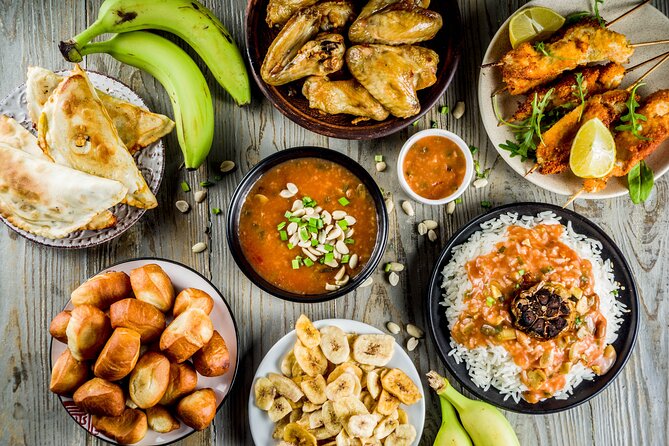


Food in Rwanda is more than sustenance; it’s a celebration of community, simplicity, and connection to the land. Whether you’re savoring isombe in Kigali, sharing brochettes by Lake Kivu, or sipping local banana wine in Musanze, Rwandan cuisine tells a delicious story of tradition, togetherness, and the country’s fertile heartland.
The Heart of Rwandan Food Culture
Rwandan food culture is rooted in fresh, local ingredients and centuries-old traditions that emphasize sharing. Meals often bring families and neighbors together, a reflection of Ubumwe (unity), one of Rwanda’s core values.
The fertile volcanic soil of the country’s hills and valleys provides an abundance of plant-based staples, including cassava, beans, sweet potatoes, maize, and bananas. Many traditional Rwandan dishes are vegetarian by nature, a testament to the agricultural lifestyle that shapes daily life.
Farm to Table: The Rwandan Way
In Rwanda, “farm to table” isn’t a trend; it’s a way of life. Most ingredients are locally grown, organic, and harvested fresh. Visitors are often surprised by how natural and flavorful even the simplest dishes taste.
Traditional Rwandan Dishes You Must Try

Exploring traditional Rwandan food is an adventure for your taste buds, one that offers both comfort and discovery. Here are a few must-try dishes:
Isombe
A national favorite made from cassava leaves, pounded and cooked with ground peanuts, and sometimes served with rice or plantains. Its creamy, earthy taste perfectly represents Rwanda’s home-style cooking.
Matoke (Steamed Green Bananas)
Bananas are at the heart of food in Rwanda, and matoke is a staple. The bananas are steamed, mashed, and served with a savory sauce, often featuring vegetables or meat.
Brochettes
Grilled skewers of beef, goat, or fish, seasoned with chili and garlic. Found in nearly every bar and roadside eatery, brochettes are a social food, best enjoyed with friends and a cold local beer like Skol or Primus.
Ugali (Cornmeal Porridge)
A common side dish throughout East Africa, ugali complements stews and vegetables. It’s hearty, simple, and filling, a true comfort food.
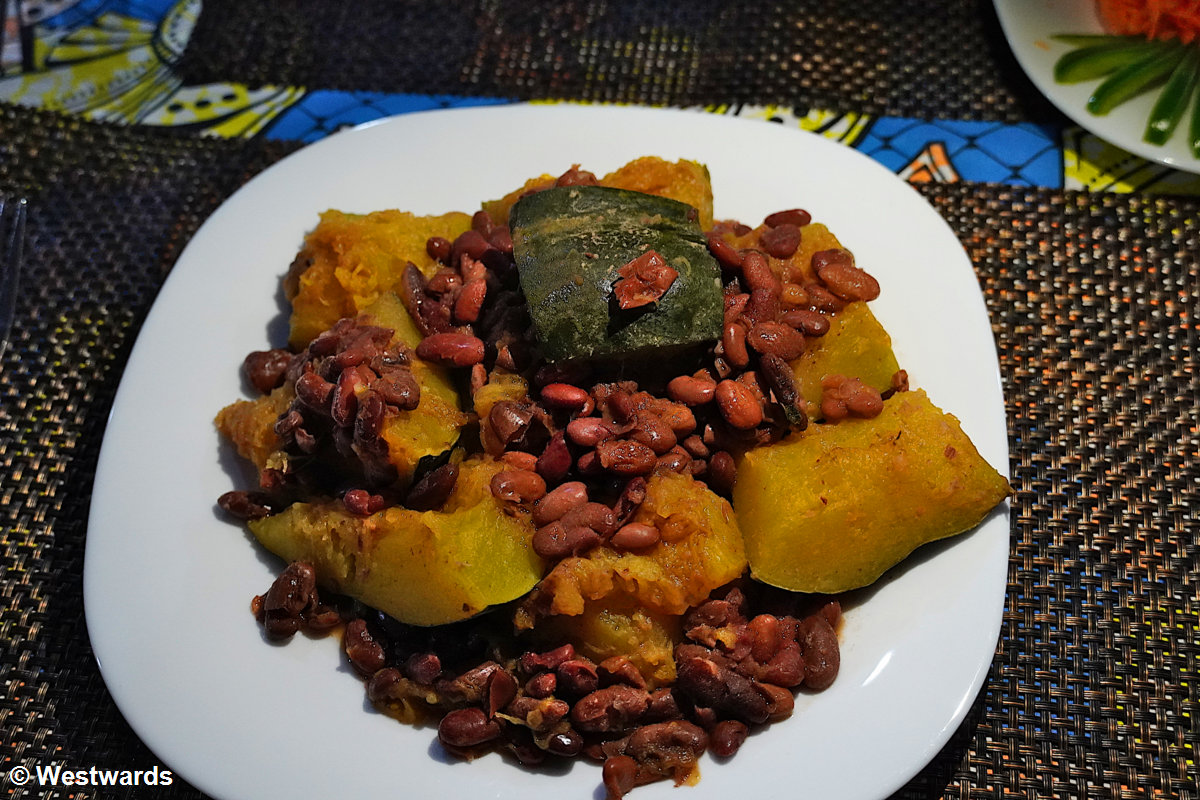
Ibihaza
A rustic mix of pumpkin and beans cooked together, mild, sweet, and deeply satisfying. It’s especially popular in rural regions.
Urwagwa (Banana Wine)
Made from fermented bananas, this traditional drink offers a sweet, unique flavor and is often served at celebrations or community gatherings.
Rwandan Dining Etiquette and Culture
In Rwanda, meals are meant to be shared. Eating together is an act of unity, and guests are always treated with warmth. Hands are washed before and after eating, and it’s common to eat with your right hand when enjoying traditional dishes.
Don’t be surprised if your host insists you take “just one more serving” in Rwanda; it’s a sign of generosity and respect.
Where to Experience Authentic Rwandan Cuisine

Where to Experience Authentic Rwandan Cuisine
While you can enjoy local dishes across Rwanda, a few standout spots truly bring the country’s food culture to life.
In Kigali, visit Heaven Restaurant in Kiyovu, a warm, eco-chic spot known for its modern take on Rwandan flavors, blending local ingredients like plantain, cassava, and Lake Kivu sardines into beautifully crafted dishes. For a more casual vibe, Bourbon Coffee offers authentic Rwandan coffee alongside light traditional bites.
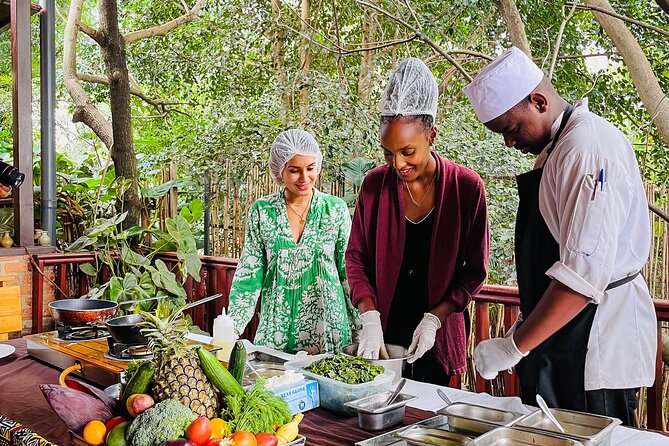
In Musanze, Red Rocks Cultural Center combines food and community, offering traditional meals prepared by local women while you learn about Rwandan heritage.
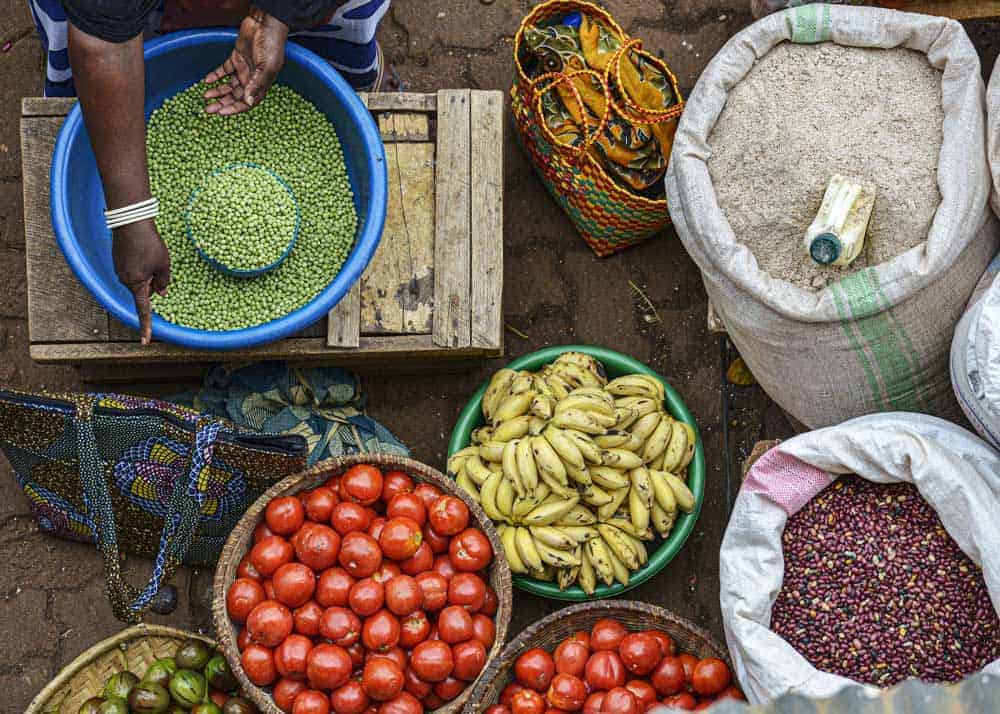
Down south in Huye (Butare), the local markets are perfect for sampling fresh produce, homemade snacks, and local banana beer straight from the source.
For a lakeside experience, head to Gisenyi, where Tamarind Lodge serves juicy brochettes and grilled fish paired with a sunset view over Lake Kivu, a perfect ending to your Rwandan culinary journey.
Each region adds its own twist, from banana-based dishes in the west to bean-rich recipes in the central highlands.
Modern Twists on Traditional Rwandan Food

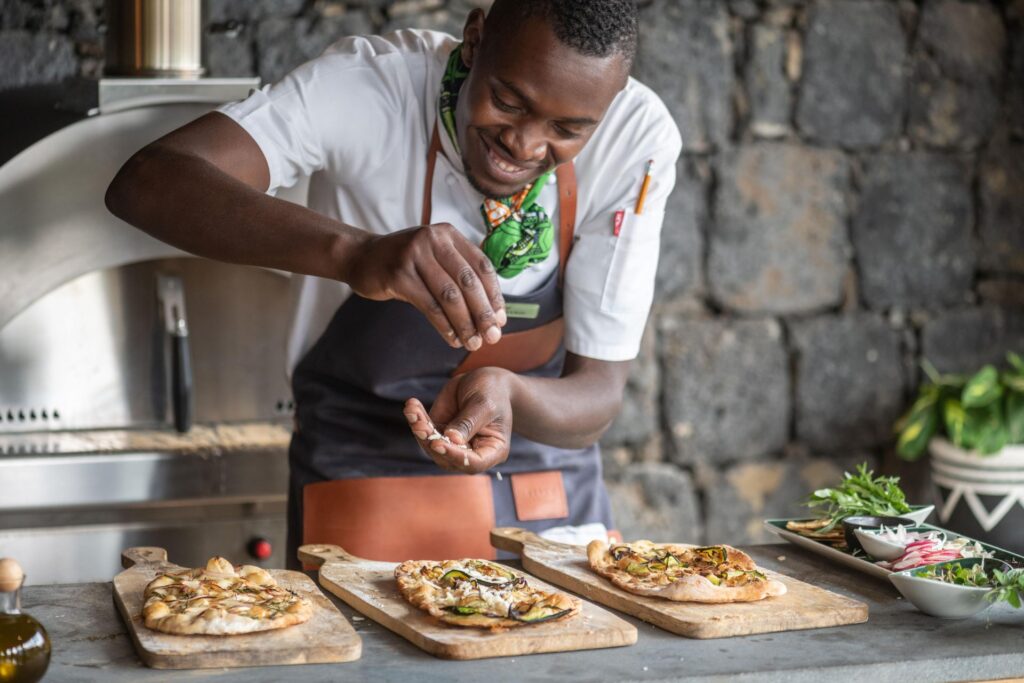
Rwanda’s culinary scene is evolving fast. Chefs in Kigali are reimagining Rwanda food & drink by blending tradition with innovation, think isombe ravioli, matoke croquettes, or gourmet brochettes paired with local wines.
This modern revival celebrates the authentic flavors of Rwanda while catering to travelers seeking creative, sustainable dining experiences.
Key Takeaways: What Makes Rwandan Cuisine Special
- Rooted in tradition: Every dish tells a story of family, community, and gratitude.
- Locally sourced: Fresh, farm-grown ingredients define the flavor.
- Naturally healthy: Mostly plant-based, high in nutrients, and minimally processed.
- Evolving Creatively: Modern Chefs Are Redefining Rwanda’s Culinary Identity.
Plan Your Food Journey in Rwanda
Whether you’re wandering through a market in Nyamirambo or dining under the stars in Volcanoes National Park, Rwanda’s cuisine is a window into its soul, warm, humble, and unforgettable.